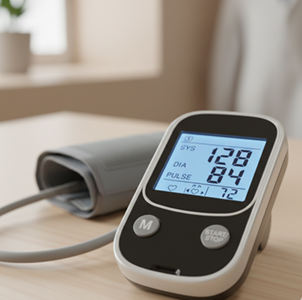
High blood pressure can be silent
Hypertension often causes no symptoms. The reliable
way to know your blood pressure is to measure it
correctly. A healthcare professional can help
interpret readings in the context of your age,
medicines and overall cardiovascular risk.
Common cardiovascular risk factors
-
High blood pressure
-
Diabetes or persistently high blood glucose
-
Unhealthy cholesterol levels
-
Tobacco use
-
Low physical activity
-
Overweight or obesity
-
Family history, age and some other medical
conditions
Heart-attack warning signs
Warning signs can include chest pressure, squeezing,
fullness or pain; discomfort in one or both arms,
the back, neck, jaw or stomach; shortness of breath;
cold sweat; nausea; or light-headedness. Symptoms
are not identical in everyone.
Do not self-diagnose an emergency online.
New or severe chest discomfort, marked
breathlessness, collapse, or other alarming
symptoms need urgent medical assessment.
Contact local emergency services immediately.
Everyday prevention
Healthy eating patterns, less excess salt, physical
activity, avoiding tobacco, weight management when
appropriate and taking prescribed medicines
consistently can all contribute to cardiovascular
risk reduction.